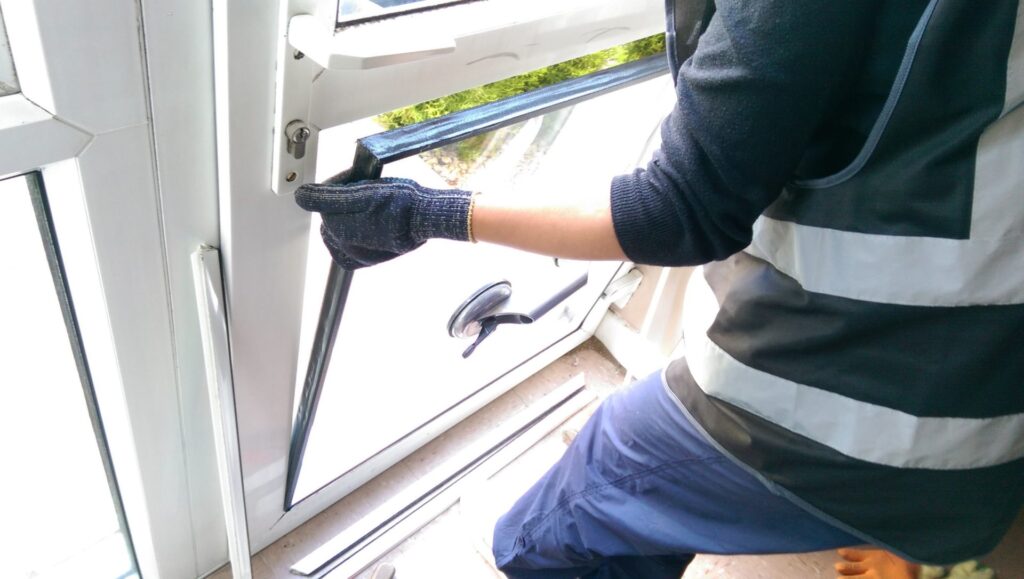
Home Window Repair: A Comprehensive Guide
Home window repair is a necessary aspect of home maintenance that lots of homeowners overlook. Windows not just boost the aesthetic appeal of a house, however they likewise play a critical function in energy efficiency, security, and overall comfort. This short article dives into the different kinds of window damages, repair techniques, and preventive steps to guarantee your windows remain in ideal condition.
Comprehending Common Window Issues
Homeowners can deal with a range of problems with their windows, varying from minor cracks to complete frame failures. Comprehending these issues is the initial step towards effective repairs. Below is a table summarizing some common window issues and their possible causes.
| Kind of Issue | Description | Possible Causes |
|---|---|---|
| Cracks or Chips | Visible damage to the glass surface area | Effect, temperature changes |
| Foggy Windows | Condensation between panes | Seal failure, improper setup |
| Sticking Window | Window does not open or close efficiently | Warped frame, dirt accumulation |
| Drafts | Unwanted air leaks that impact energy performance | Failed weatherstripping, poor sealing |
| Broken Locks | Locks that do not secure the window appropriately | Rust, misalignment |
| Frame Damage | Damage to the wood or frame surrounding the glass | Water damage, rot, insect infestation |
DIY vs. Professional Repairs
When it concerns window repair, homeowners frequently deal with the issue of whether to deal with the problem themselves or employ a professional. Here's a breakdown of the pros and cons of each technique:
DIY Repairs
Pros:
- Cost Savings: Only the materials are bought, preventing labor costs.
- Flexibility: Homeowners can repair their windows by themselves schedule.
- Ability Development: DIY repairs can boost home maintenance abilities.
Cons:
- Lack of Expertise: Without correct training, repairs may not be executed properly, leading to more concerns.
- Time Consumption: Repairs might take considerably longer without previous experience.
- Safety Risks: Certain repairs may require heights or tools that can cause injuries.
Working with a Professional
Pros:
- Expertise: Professionals bring experience and knowledge, often offering a warranty for their work.
- Security: Trained service technicians are equipped to deal with repairs securely.
- Efficiency: Professionals typically total repairs quicker than a DIY effort.
Cons:
- Cost: Hiring a professional can be costly due to labor expenses.
- Scheduling Conflicts: Homeowners might need to work around the professional's schedule.
Typical Window Repair Techniques
When it comes to window repairs, different strategies can be used depending upon the problems at hand. Below are a few of the most typical repair approaches:
Replacing Glass Panes
- For fractures or chips, removing and replacing the whole glass pane is often the best choice.
- Ensure security by using protective equipment and following manufacturer guidelines.
Recaulking and Resealing
- Gradually, the caulking around windows can deteriorate, causing drafts and leaks.
- Get rid of old caulk and use a new layer to improve insulation.
Weatherstripping
- Including or changing weatherstripping can get rid of drafts and boost energy performance.
- This easy measure can considerably decrease heating and cooling costs.
Repairing Sticking Windows
- Tidy the window tracks thoroughly to eliminate dirt and particles.
- Lubricate the tracks with a silicone spray to facilitate smooth movement.
Repairing Window Frames
- If frames are harmed, either repair or replace them to keep structural integrity.
- Use wood filler for small damages or replace parts of the frame for significant concerns.
Preventive Measures
Prevention is constantly much better than repair. Routine maintenance and examinations of your windows can help recognize prospective problems before they intensify.
- Regular Cleaning: Clean windows and frames regularly to prevent dirt buildup which can cause damage.
- Inspection: Periodically inspect window seals, frames, and hardware for indications of distress.
- Yearly Maintenance: Schedule professional assessments at least as soon as a year to deal with any latent problems.
Frequently Asked Questions About Home Window Repair
Q1: How can I tell if my window seal has failed?A: A stopped working window seal frequently results in fogginess in between the panes or noticeable condensation. If you discover this, it's time for a professional examination. Q2: Is it possible to change only one pane of a double-glazed window?A: Yes, but it's important to have a professional do this to make sure an appropriate fit and seal. In a lot of cases, the entire system may require replacement for optimal efficiency. Q3: How often need to I replace window weatherstripping?A: Weatherstripping must be examined each year and
replaced if there are indications of wear, such as tearing or insufficient sealing
. Q4: Are there short-lived repairs for a broken window up until a professional arrives?A: Yes, use clear cling wrap, tape, or cardboard to momentarily cover cracks or broken pieces up until a correct repair can be made. Q5: Can I paint over harmed window frames to hide imperfections?A: While painting can enhance appearance, it's essential to first repair any damage. Painting over issues like rot will not resolve them and
might intensify the damage in time. Home window repair is a needed
element of own a home that can enhance aesthetic appeal and performance while also improving energy effectiveness. Understanding common issues, knowing when to DIY or employ a professional, and using preventive procedures can extend the life of your windows. Repair My Windows And Doors and resources into correct care and maintenance of windows is not only cost-efficient but also essential for maintaining a comfortable living environment.